Message from the Director and Board Chair
Hello and thank you for taking the time to read our 2025 Director’s Annual Report.
This year, we focused on creating learning environments where every student and staff member feels seen, valued, and empowered to thrive. Guided by our new 2025-29 Multi-year Strategic Plan’s pillars of Belong, Succeed and Reconcile, we also renewed our commitment to the success of every student.
Our three-year Mental Health Strategy advanced this year, providing students with evidence-informed supports, early interventions, and access to community services. Social workers, attendance counsellors, and child and youth workers delivered classroom programs, targeted interventions, and wellness initiatives, supporting resilience and well-being across the system.
We launched Edsby, a new learning platform connecting students, families, and teachers, and expanded Summer Learning Programs that combined academic growth, social-emotional learning, and experiential opportunities. Programs such as Reach Ahead, adult education, and Indigenous-focused initiatives gave students a head start in high school, supported lifelong learning, and strengthened community connections.
Safe and welcoming schools remained a priority, with upgrades to facilities, anti-bullying initiatives, restorative practices, and staff training in equity, accessibility, and human rights. Early years programming, attendance initiatives, and specialized pathways reinforced strong foundations for success.
Reconciliation and Indigenous education continued to guide our work. Through language revitalization, land-based learning, cultural programs, and partnerships, such as the new Memorandum of Understanding with Matawa First Nation Education Authority, we are embedding Indigenous perspectives into teaching, learning, and leadership. Students engaged meaningfully with Anishinaabe stories, land, and culture, deepening understanding, belonging, and connection.
As we reflect on this year’s achievements, we celebrate the dedication of our students, staff, and community partners. Together, we will build inclusive, supportive, and inspiring learning experiences where everyone belongs, succeeds and reconciles.
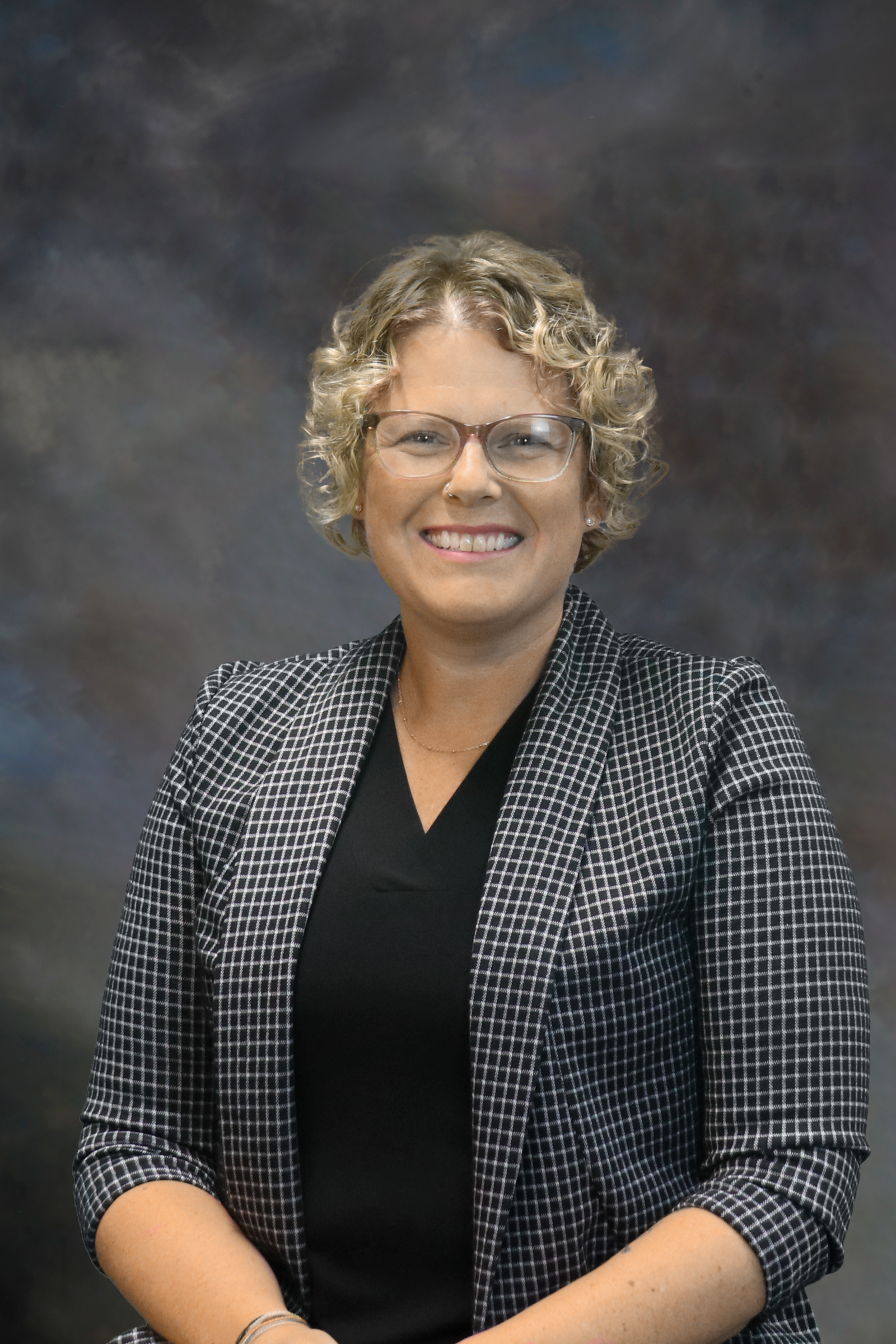
Sherri-Lynne Pharand
Director of Education
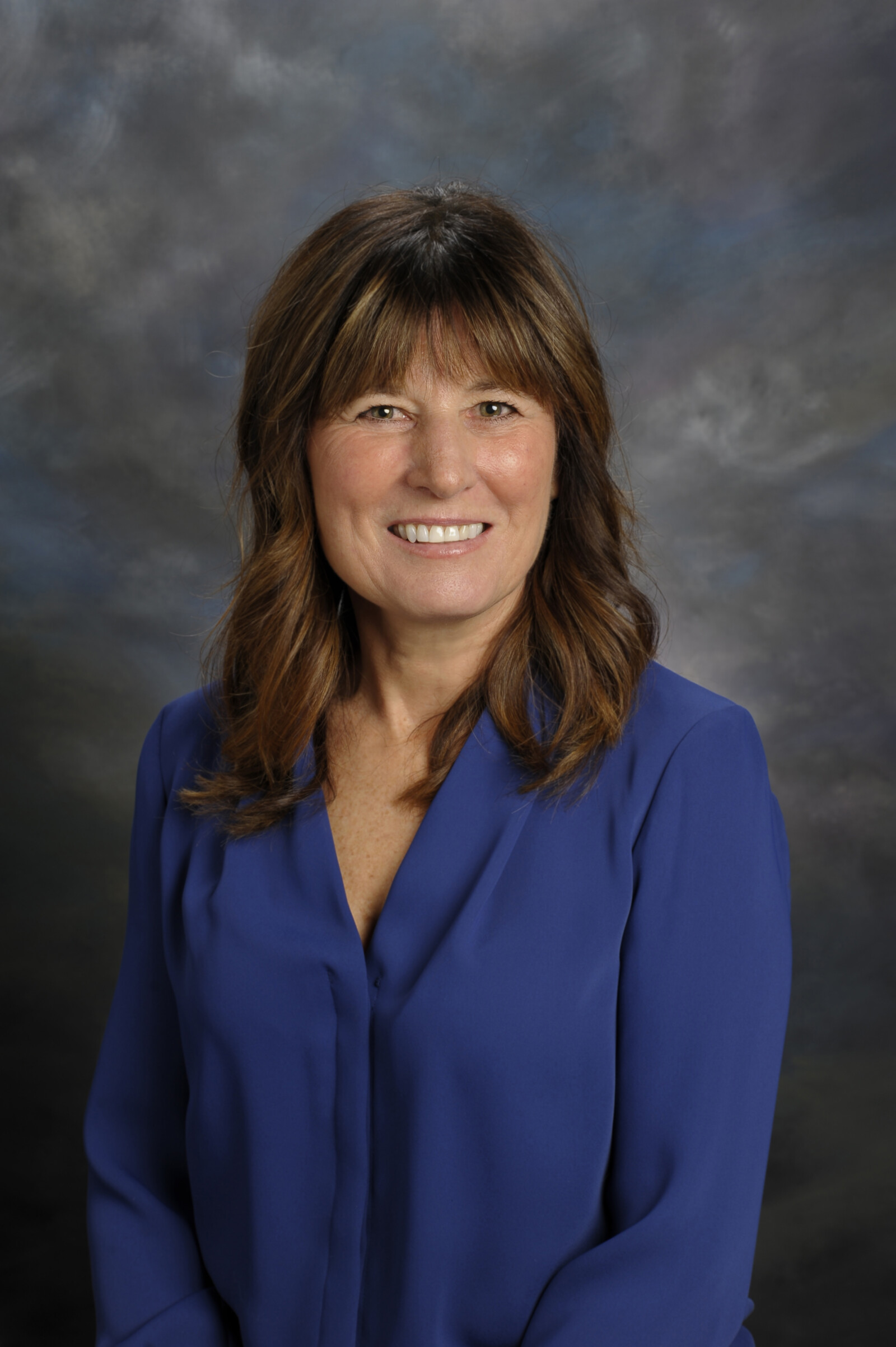
Leah Vanderwey
Trustee Chair
Our Mission
We are committed to the success of every student.
Our Vision
We provide equitable and inclusive educational environments where everyone belongs and succeeds.
Our Values
Belonging
Empathy
Integrity
Respect
BELONG
We provide environments where everyone belongs.
- Advance equitable opportunities and support for students and staff facing systemic barriers.
- Cultivate safe learning and work environments where everyone feels seen, valued, and connected.
- Provide clear and consistent communication channels for students, staff, families, and community partners.
- Support the mental health, resilience, and well-being of students and staff.
Mental Health
In 2024–2025, we successfully completed the first year of its three-year Mental Health Strategy, aligned with Ministry of Education PPM 169 and supported by School Mental Health Ontario (SMHO). The Board continues to provide culturally responsive, evidence-informed mental health promotion, prevention, and early intervention, while strengthening pathways with community and hospital-based services.
LDSB employs six social workers, two attendance counsellors, and one child and youth worker who deliver brief solution-focused counselling, classroom programming, and targeted early-years interventions. Staff also support school communities through presentations and evidence-based programs such as Little Spot, SNAP, and Mental Health Plus. Fifteen classrooms participated in SNAP this year, and new mental health modules were implemented in Grades 7, 8, and 10.
Professional learning expanded through staff wellness champions, clinical training, and partnerships addressing eating disorder prevention, substance-use prevention (Planet Youth), and life-skills programming (CHOICES). The Board also implemented the Greenspace measurement-based care platform, achieving a 67% recovery rate among students with clinically significant symptoms.
LDSB maintains strong collaboration with local child and youth mental health agencies and participates in major research partnerships, including a SSHRC-funded initiative strengthening evidence-informed decision-making. Ongoing data collection, protocols, and community involvement continue to enhance coordinated mental health supports for students.

Welcome to Edsby
In 2025, we introduced Edsby for all grades across Lakehead Public Schools. Edsby is an online learning management system. Edsby helps connect students, parents/guardians, and teachers. Students can log in to Edsby to stay up to date on class work, grades, and learning resources. Families can connect to Edsby so they can keep up to date, as well as, communicate with their child’s teacher.
Using Edsby, you can stay connected to many of the things going on in your child’s school.
This includes:
- Learning Resources
- Lessons and Assignments
- Extra-Curricular Clubs and Groups
- School News and Updates
- Assessments and Feedback
Safe Schools
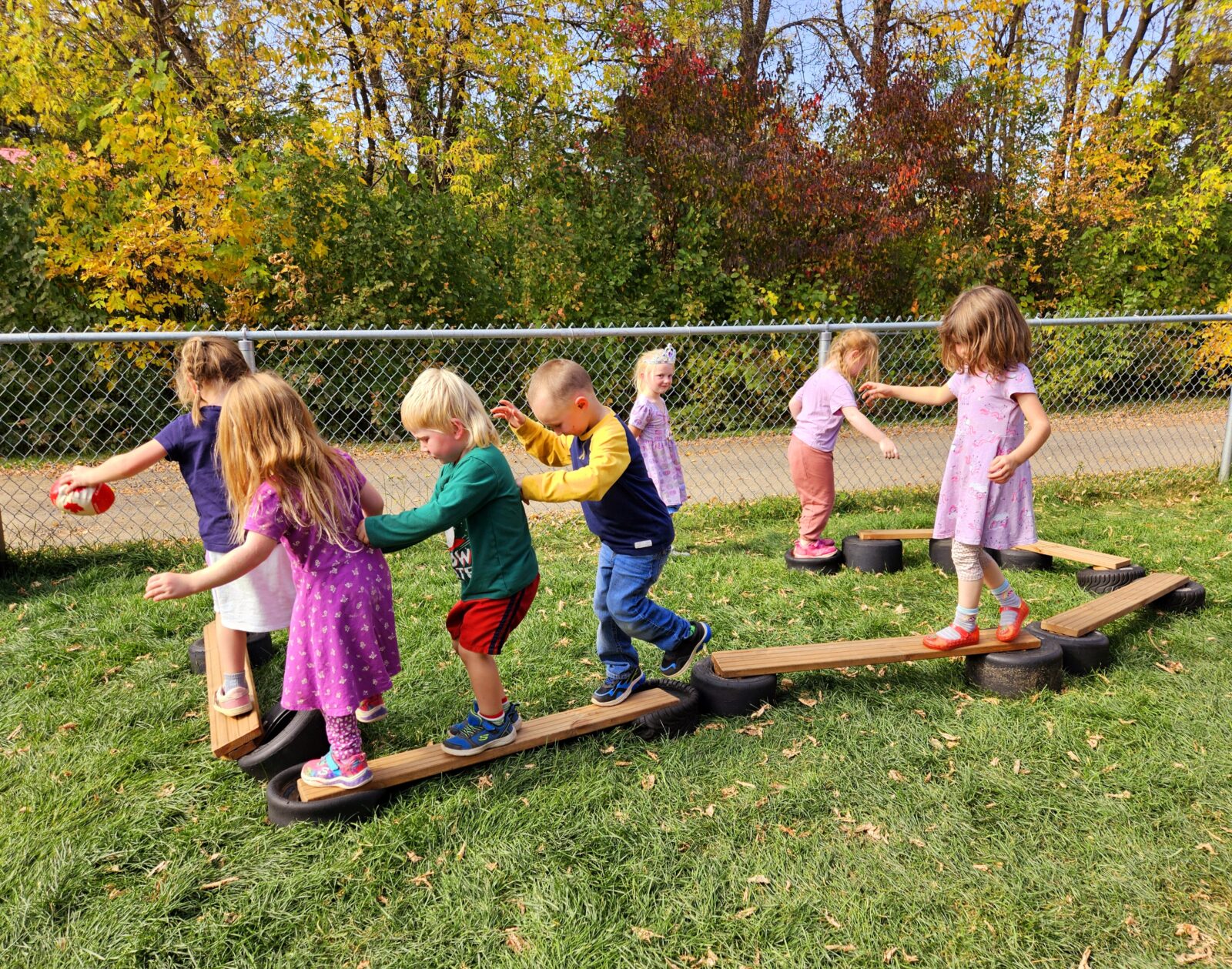
We are committed to fostering safe, welcoming, and inclusive learning environments for all students and staff. The Safe and Accepting Schools Committee provides guidance on equity, inclusion, mental health, accessibility, and healthy schools, advising the superintendent on system priorities.
In 2024-2025, LDSB completed key facility upgrades, including door and railing improvements, transformer removal, playground enhancements for multi-needs students, and artificial turf renovations. Policies and procedures were reviewed to strengthen health, safety, and human rights compliance, while mandatory staff training covered accessibility, concussion awareness, life-threatening allergies, workplace safety, cyber security, and anti-sex trafficking protocols. Additional system-wide and administrator training focused on restorative practices, positive school culture, bullying prevention, progressive discipline, equity, and student well-being.
Mental health initiatives expanded to include PPM 169 training for staff on suicide risk recognition and response, literacy modules in Grade 10 career and civics classes, and parent workshops on digital safety. Annual surveys, such as COMPASS, guide ongoing school planning. Bullying prevention and intervention plans were implemented across schools, supported by Safe Schools teams and funded initiatives including intramurals, clubs, and guest presentations.
LDSB will continue to enhance restorative practices, expand training, and collaborate with community partners to ensure safe, inclusive, and supportive school environments for all learners.
Summer Learning Programs
Lakehead Public Schools Summer Learning Programs provide inclusive, engaging opportunities to support student success, well-being, and reconciliation while addressing learning loss during extended breaks. Programs strengthen academic skills, promote social-emotional growth, and foster meaningful connections with peers and adults.
Elementary programs served 210 students at four schools, including a new French Immersion camp. Specialized initiatives supported Indigenous students through the Mino Bimaadiziwin Youth Leadership Program and Grade 8 FNMI Reach Ahead Credit, allowing students to earn Ontario Secondary School Diploma credits while building connections to school and community. The Armstrong/Whitesand First Nation Reach Ahead Credit engaged students in experiential learning and career exploration, resulting in credits earned through hands-on projects.
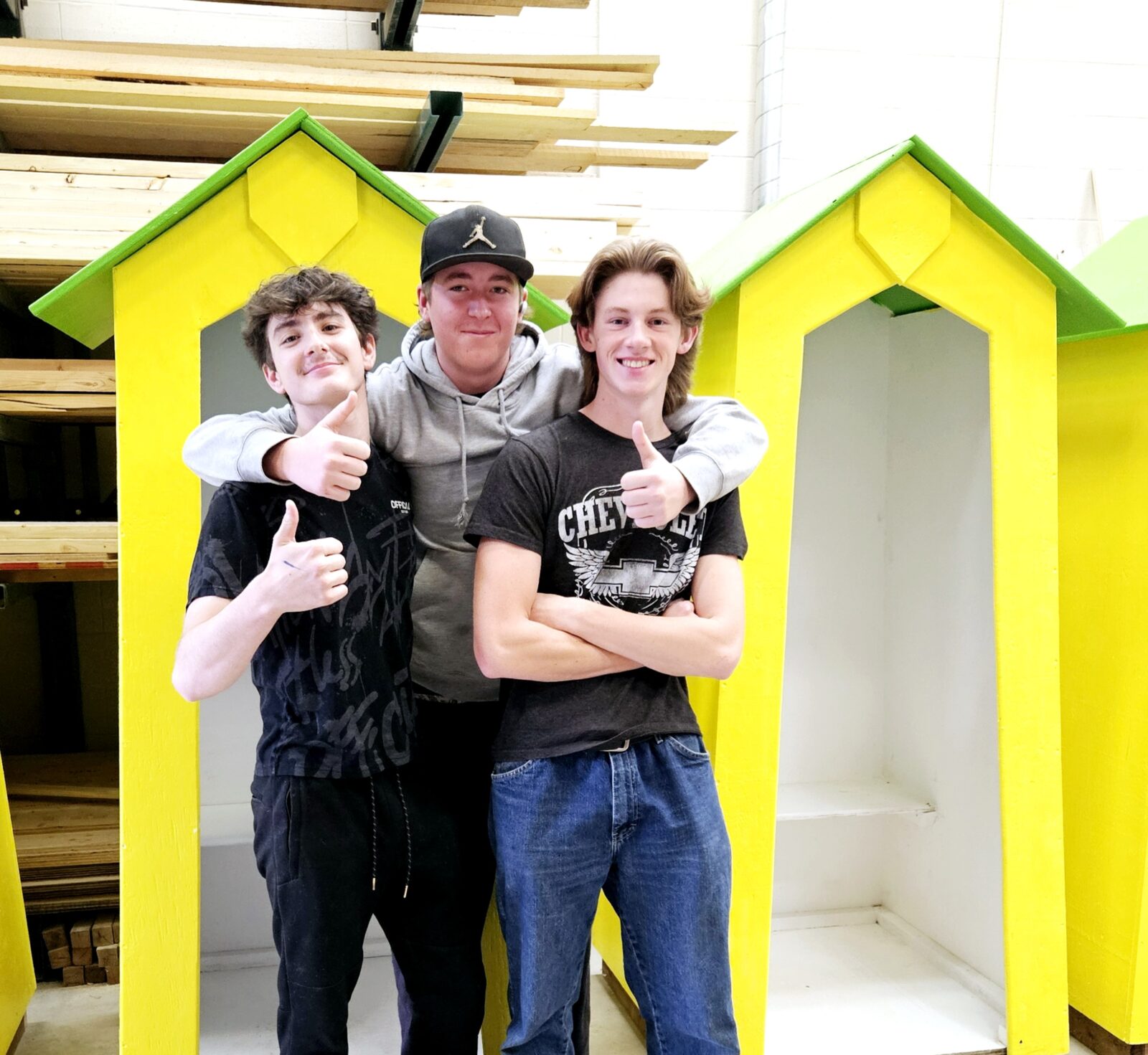
Secondary students participated in credit recovery, cooperative education, e-learning, and the seven-week Focus on Youth Project, which combined paid employment with learning, including urban farming and skill development. Ninety co-op credits and hundreds of e-learning credits were granted, enhancing post-secondary preparedness. Special Education students and Kindergarten learners received targeted supports, including social skills and mindfulness programs. Mental health-focused programming, such as SNAP Summer Camp, addressed emotional regulation and peer relationship development for elementary students.
Overall, LDSB’s Summer Learning Programs provide high-quality, inclusive opportunities that enhance academic skills, employability, well-being, and social development. The Board remains committed to expanding summer programming, closing learning gaps, supporting transitions, and providing pathways for future education and career success.
Human Rights, Equity, and Inclusive Education
The Board identifies and addresses systemic barriers to support the success of students, staff, and communities. The Equity and Inclusive Education Advisory Committee provides guidance on equity initiatives, helping to deepen awareness, identify challenges, and foster inclusive school climates.
Key initiatives include mandatory professional learning for all staff on human rights, bias, and positionality, and student leadership programs focused on equity, diversity, and inclusion. Students participate in workshops, leadership programs, and diversity celebrations, strengthening engagement and advocacy across schools. The Office of the Human Rights and Equity Advisor supports the community through guidance, education, and resources.
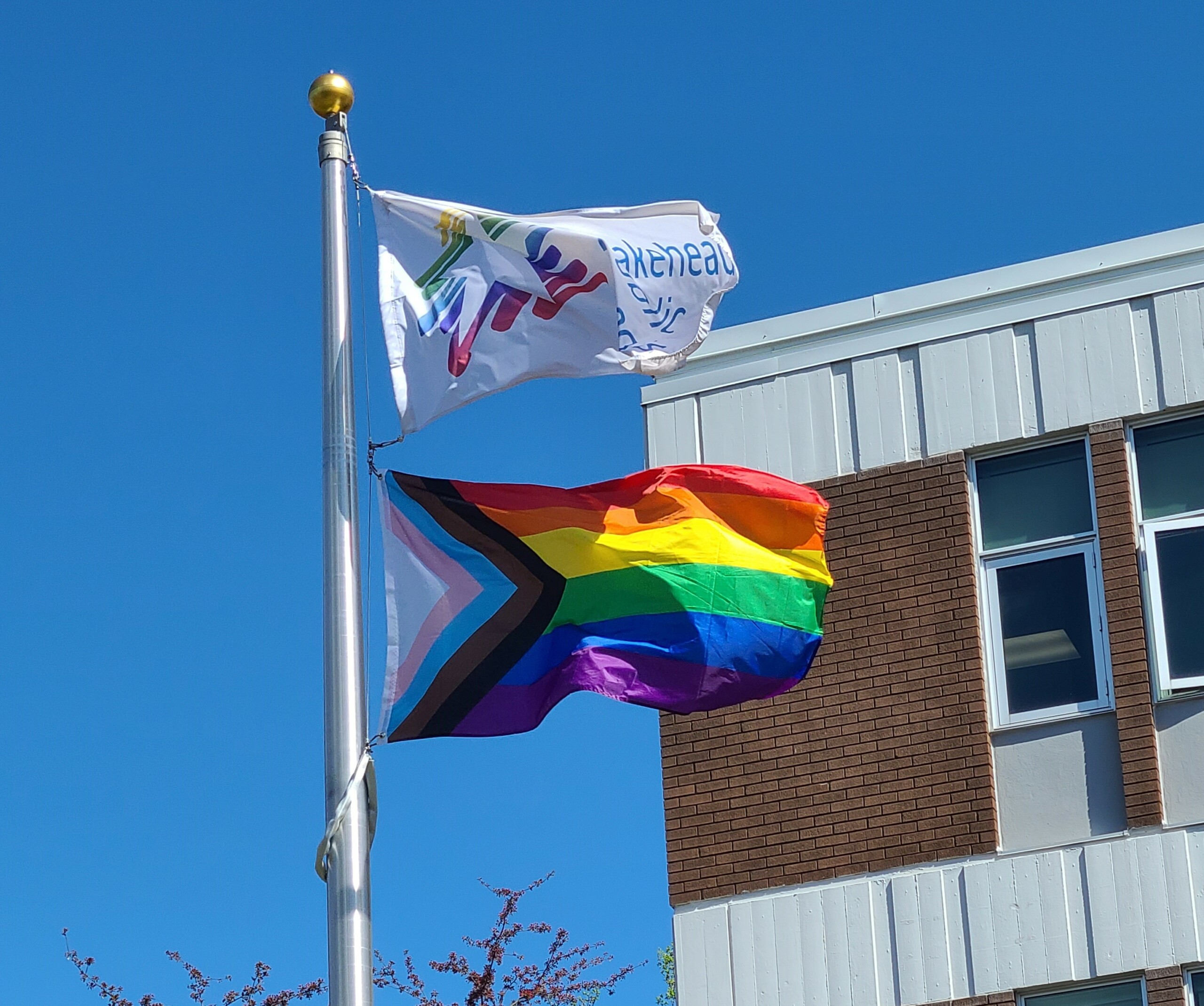
LDSB actively partners with community organizations, including Diversity Thunder Bay and the City of Thunder Bay Anti-Racism and Inclusion Accord, to advance anti-racism initiatives and develop resources. Programs such as the Joint Protocol for Student Achievement and Pride recognition events further ensure equity and inclusion in schools.
Next steps include implementing Year 2 of the Equity Action Plan, continuing professional learning for staff and administrators, and expanding opportunities for student voice and leadership to ensure equitable outcomes and inclusive educational experiences across the Board.
Early Learning
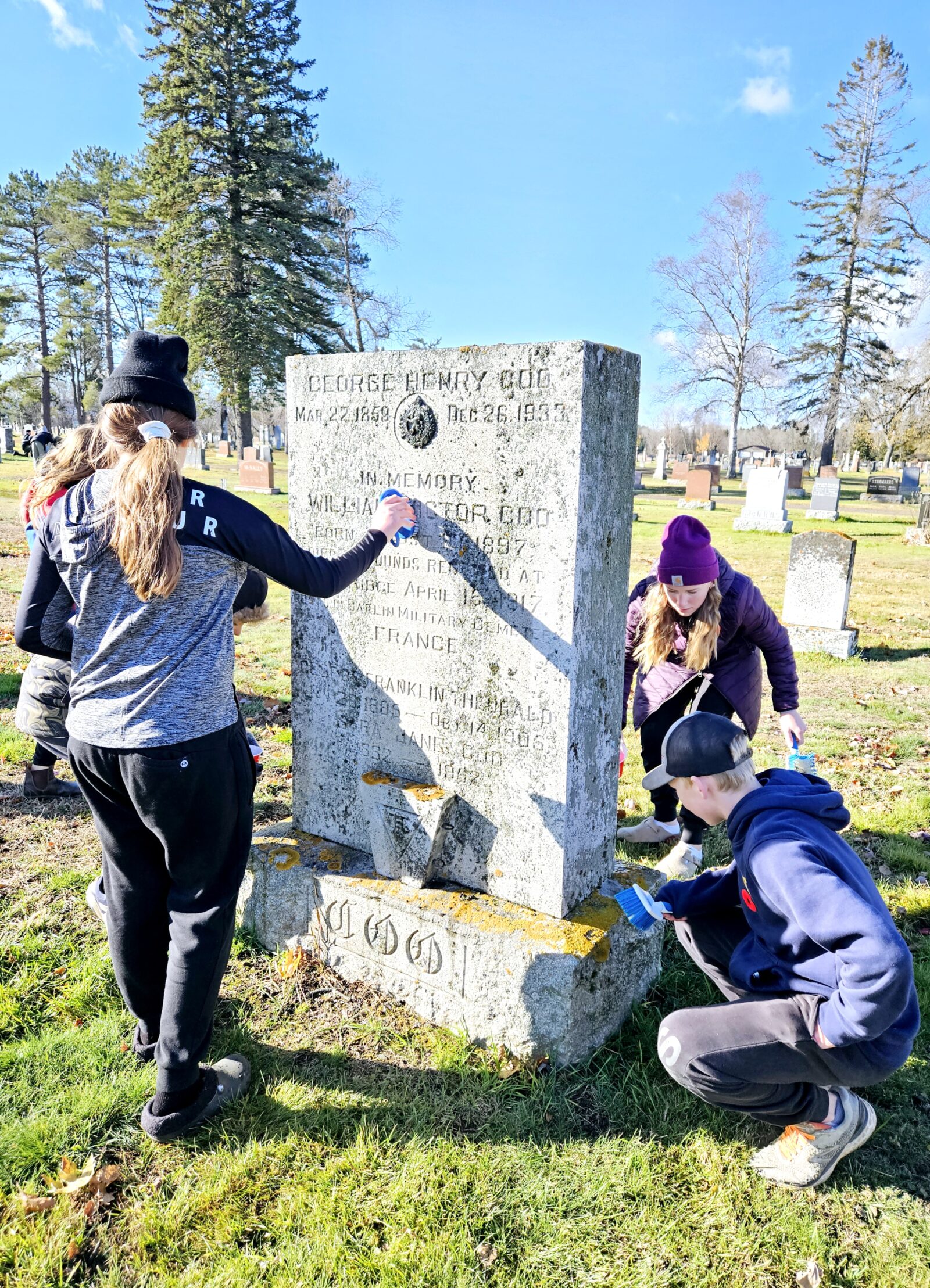
Lakehead Public Schools’ early years programming supports high levels of personal and academic achievement through inclusive, play- and inquiry-based Kindergarten instruction aligned with the four learning frames in The Kindergarten Program (2016). Strategic oversight is provided by an early years lead who collaborates with regional partners to address the needs of pre-Kindergarten and school-aged children.
Assessment remains central to effective programming. The Ages and Stages Questionnaire is administered to all Year 1 students to identify developmental needs and guide whole- and small-group instruction. Increasing numbers of students require support in self-regulation and social-emotional skill development. Year 2 students participate in the provincial Early Development Instrument, with 2022-2023 data showing 33.4% vulnerable in one or more developmental domains.
In 2024–2025, Ministry-mandated early reading screening began for students in Year 2 Kindergarten through Grade 2, supporting early identification and targeted literacy instruction; initial benchmark results were 54% (Year 2 K), 17% (Grade 1), and 38% (Grade 2).
Next steps include using assessment data to direct resources, monitor interventions, strengthen educator professional learning, and deepen collaboration with community partners. LDSB remains committed to strong early foundations that foster lifelong learning and well-being.
Attendance Matters
We continue to prioritize student attendance as a key factor in achievement and well-being. Chronic absenteeism—missing 10% or more of school days—is strongly linked to lower literacy and numeracy outcomes, reduced engagement, and long-term impacts on graduation and career pathways.
In 2022–2023, 24.6% of elementary students attended 90% or more of instructional days, with improvement noted in 2024–2025, where 49.4% of Grade 1–8 students met this benchmark. Attendance data also indicates a clear correlation between income and absenteeism. Six elementary “priority schools” have been identified for targeted support to strengthen student and family engagement.
At the secondary level, 27.9% of students achieved 90% course attendance in 2022–2023, compared to the provincial rate of 36%. Grade 9 students demonstrated the strongest attendance, highlighting the importance of early intervention. School attendance committees now monitor trends and address concerns before they become chronic.
Barriers to regular attendance include transportation, childcare challenges, mental and physical health, and family transitions. LDSB schools continue to implement preventative strategies such as culturally responsive programming, land-based learning, strengthened community partnerships, and welcoming school environments. The Board remains committed to using data-informed practices, collaborative planning, and multi-tiered supports to improve attendance and ensure all students can reach their full potential.
Student Success
We emphasize achievement in core academic skills, student engagement, and preparation for post-secondary pathways.
Specialized programs such as the Ontario Youth Apprenticeship Program (OYAP), Specialist High Skills Majors (SHSM), and Dual Credits provide experiential learning and industry-linked opportunities. In 2023–2024, 133 students participated in OYAP, three secured Registered Training Agreements, and SHSM enrollment reached 275 students, a 35% increase, with an 83% completion rate—exceeding the provincial average. Dual Credit programs engaged 147 students, enabling them to earn secondary and college credits concurrently. Funding supported SHSM Maker Spaces, new program offerings in construction, environment, and culinary, and professional development for guidance counsellors in skilled trades pathways.
Pathway planning is strengthened through Individual Pathway Plans (IPP) in Grades 7–10, helping students make informed academic and career decisions. LDSB continues to build partnerships with community and industry, enhancing authentic learning experiences and supporting transitions to post-secondary education, apprenticeships, and careers. Through these initiatives, LDSB fosters student engagement, practical skill development, and lifelong success.
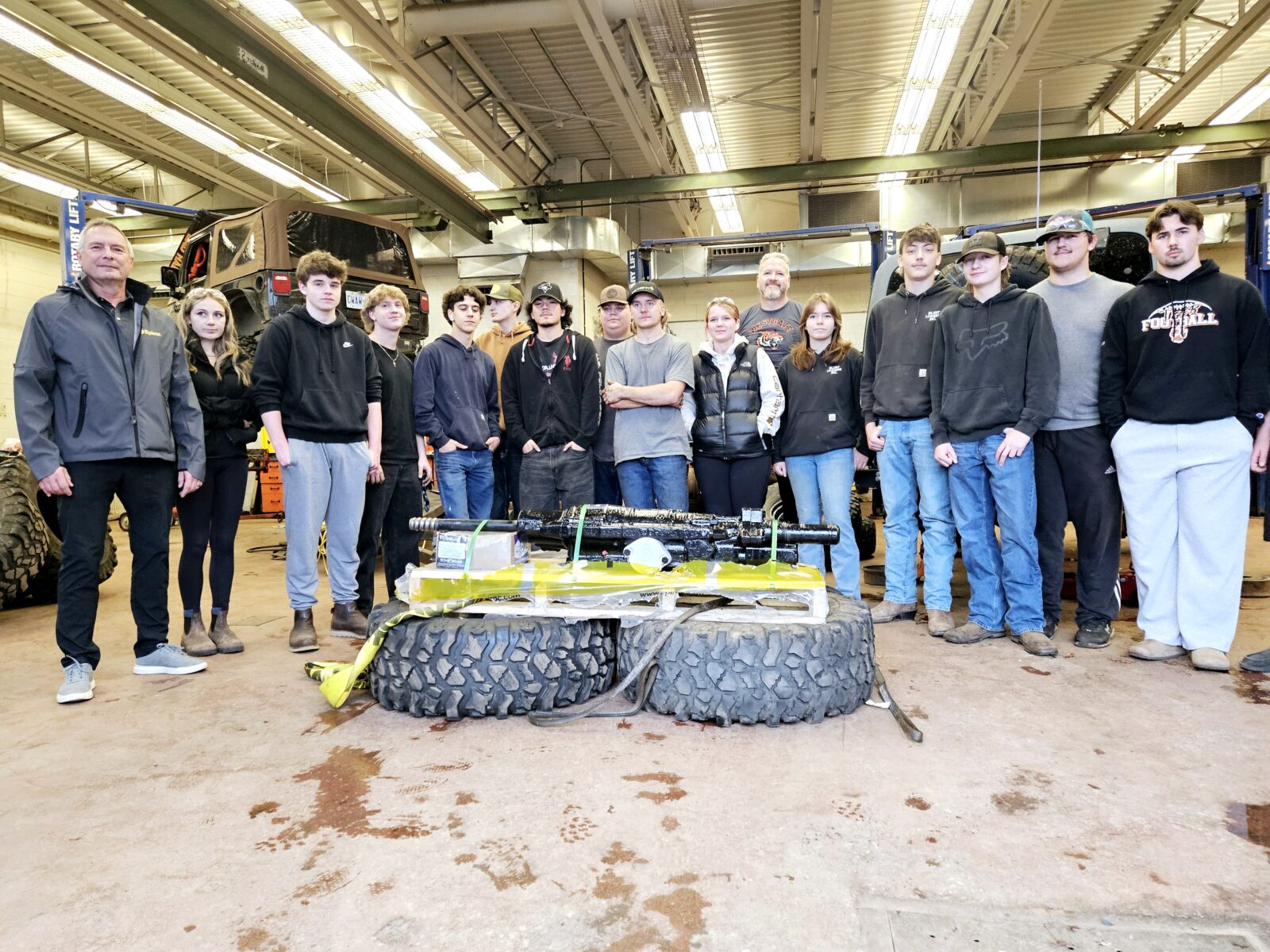
Specialist High Skills Majors (SHSM) Courses Offered:
- Arts and Culture
- Aviation
- Business
- Construction
- Environment
- Health and Wellness
- Hospitality and Tourism
- Justice, community safety & emergency services
- Manufacturing
- Transportation.
SUCCEED
We hold high expectations for all learners.
- Recognize the potential and needs of all learners by providing them with the supports to succeed.
- Develop transferable skills such as critical thinking and citizenship to prepare students for future success in a changing world.
- Build digital literacy and guide safe online behaviour for students.
- Provide experiential, landbased, and authentic learning opportunities for students.
- Deliver meaningful professional development that aligns with school and learner needs.
- Provide opportunities for students to play an active role in their educational experience and school life.
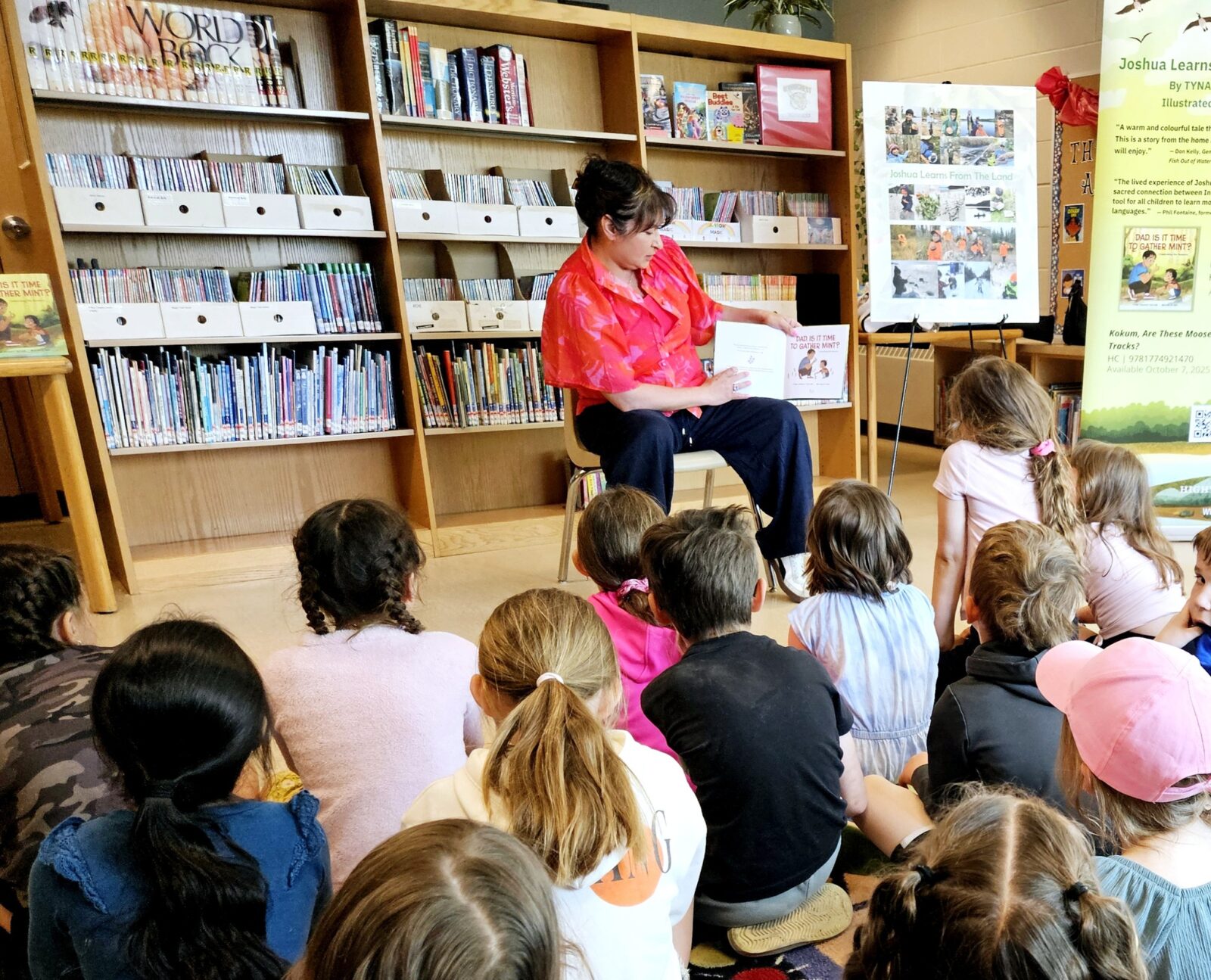
Technology
Information and communication technologies continue to transform teaching, learning, and communication across Lakehead District School Board. Growing expectations from students, families, and staff have expanded the use of digital tools such as Edsby, Microsoft Teams, and online learning platforms, making equitable access to technology essential.
This year, the System Information Technology Committee advanced key initiatives, including joining the Ontario eLearning Consortium, with 750 students enrolled in eLearning and 298 summer credits earned. The Board implemented Lexia and Acadience to monitor literacy, supported new Grade 9 coding expectations, deployed 300+ iPads, and created eSports programs and labs in all secondary schools. Work also continued on developing AI guidelines to support ethical and effective classroom use.
Cybersecurity remained a major priority. As part of the provincial K–12 Cyber Security Initiative, LDSB introduced enhanced vulnerability scanning, identity management, endpoint protection, and improved backup systems, with further security upgrades planned.
Microsoft has awarded over $1 million in grants to support device and software purchases through 2028, contributing to one-to-one laptop programs and device refresh cycles.
These efforts strengthen digital literacy, expand learning opportunities, and ensure students are prepared for a rapidly evolving technological world.
French as a Second Language (FSL)
Lakehead Public Schools offers comprehensive French as a Second Language programming to support student achievement and lifelong language learning. Core French is available in all elementary and secondary schools, while French Immersion is offered in three elementary schools and one secondary school. Programs provide pathways for students to continue developing French skills toward post-secondary, apprenticeship, or workplace opportunities.
Our three-year FSL plan focuses on increasing student achievement in Core and Immersion French, building confidence in using French outside school, and retaining students in French programs through Grade 12. Professional development emphasizes the action-oriented approach, aligned with the Common European Framework of Reference, to support oral and written communication skills.
Students in French Immersion have the opportunity to challenge the internationally recognized DELF exam, providing certification in oral and written French proficiency, which enhances post-secondary and career opportunities. Early reading screenings and targeted literacy interventions support student success across both English and French.
Ongoing initiatives include using FSL data to guide strategies, renewing the FSL plan, providing professional development, and recruiting and retaining qualified French teachers. LDSB remains committed to fostering students’ confidence and competence in French, enhancing literacy, cognitive development, and intercultural skills as part of Ontario’s official bilingual education system.
Kingfisher Outdoor Education Centre
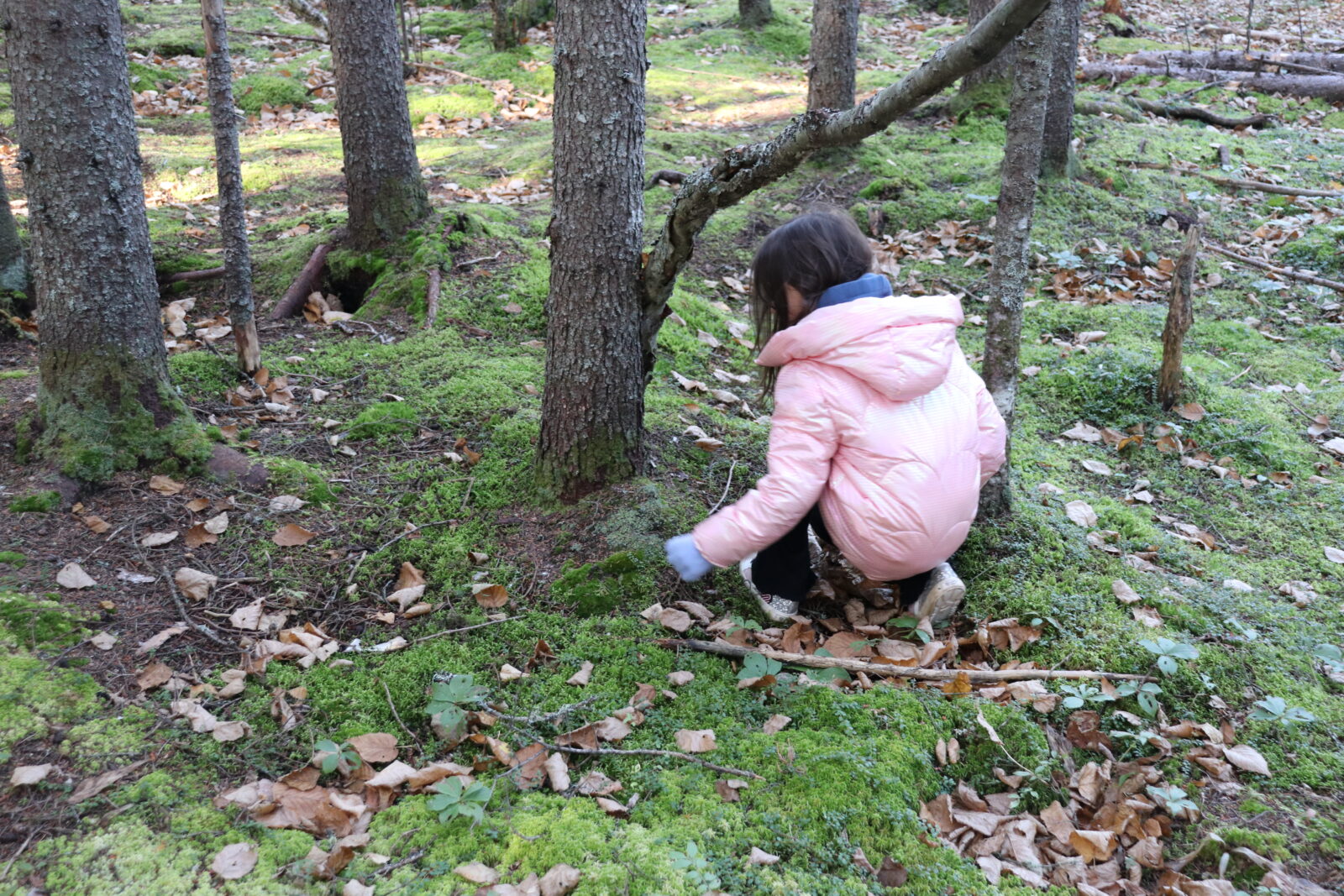
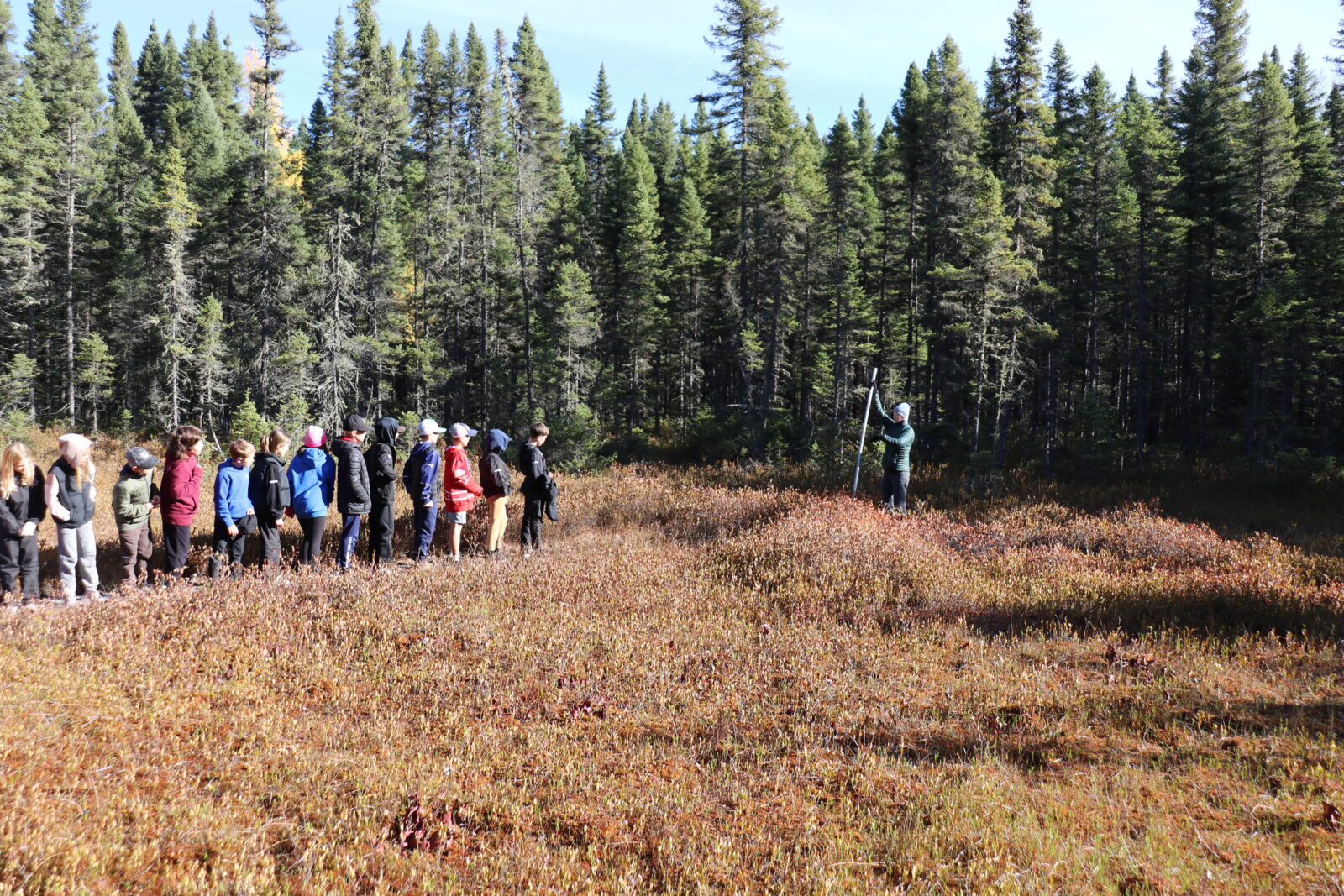
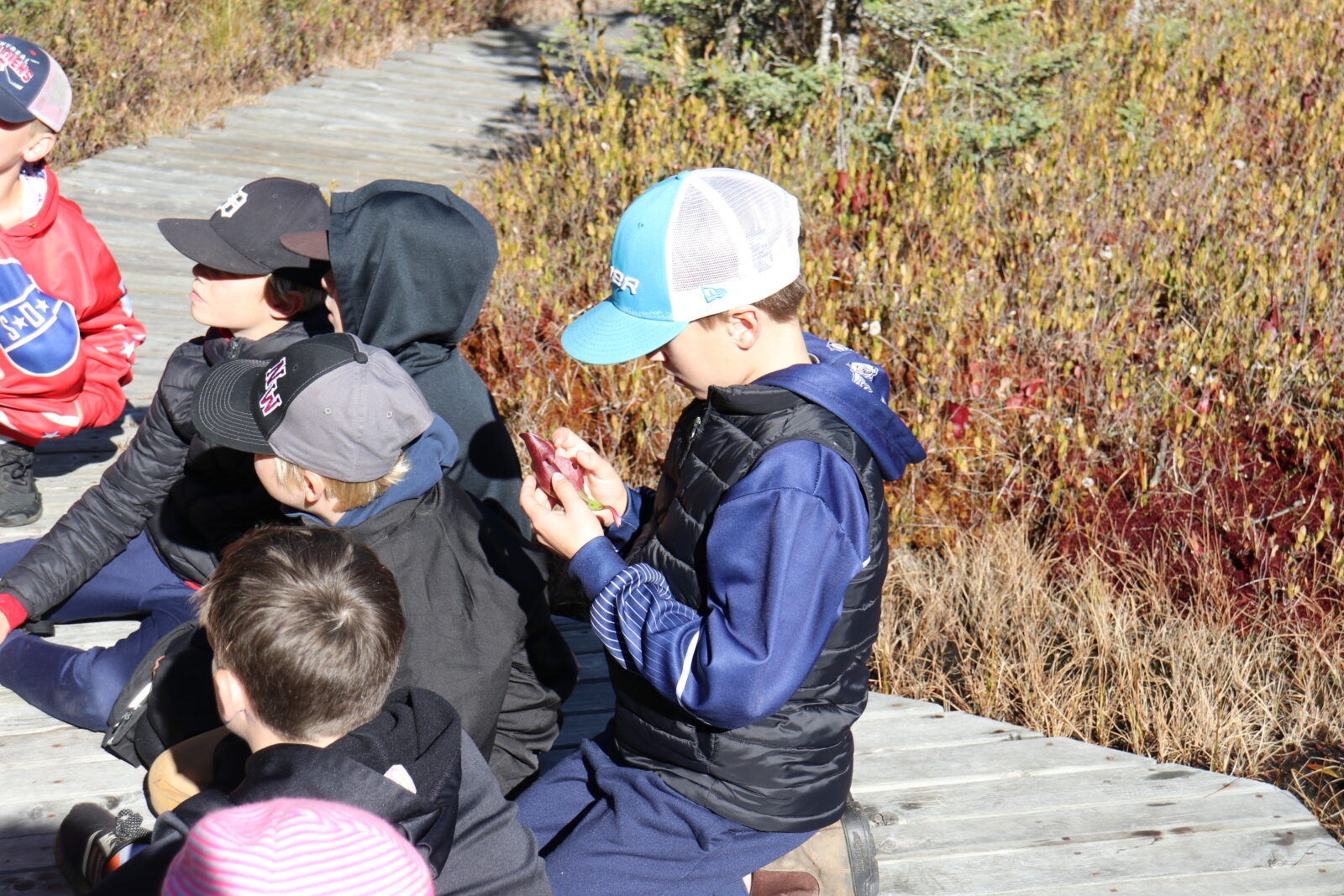
Outdoor experiential learning, and the Kingfisher Outdoor Education Centre provides students with opportunities to extend learning beyond the classroom. Aligned with the Board’s Strategic Plan and Indigenous Education Framework, Kingfisher emphasizes belonging, respect, responsibility, and relevance, ensuring programs are accessible to all students.
Programming serves Grades 1–12 and includes activities such as canoeing, orienteering, hiking, snowshoeing, cross-country skiing, climate change studies, and environmental science. Students engage in team-building, leadership development, and problem-solving activities, with specialized opportunities for Indigenous students, Special Education learners, international students, and those in alternative education programs. Overnight trips enhance personal growth, critical thinking, and collaboration skills.
Kingfisher hosts approximately 3,000 students annually, with 150 day trips and 35 overnight trips in 2024–2025. Community partnerships with Indigenous Knowledge Keepers, local colleges, universities, and the Ministry of Natural Resources enrich student experiences, connecting learners to Indigenous histories, cultures, and the natural environment.
The Centre maintains accessible infrastructure, including cabins, instructional buildings, science and kitchen facilities, and supports student safety and well-being. LDSB remains committed to providing high-quality, curriculum-linked outdoor education experiences that foster environmental literacy, personal growth, and meaningful connections for all students.
Child Care
In 2024-2025, Lakehead Public Schools piloted board-operated before and after-school child care programs at Five Mile and Gorham and Ware Community Schools. Operating at full capacity, the programs received strong positive feedback from families, fully covering costs through funding and parent fees. The pilot demonstrated the feasibility and value of board-run child care, enhancing accessibility and supporting children’s development in safe, nurturing environments. Staffing challenges remain a focus, with ongoing efforts in recruitment, retention, and professional development. Plans are underway to explore expansion to additional sites, ensuring sustainable, high-quality child care aligned with the board’s strategic priorities.
Reach Ahead
The Reach Ahead program supports Grade 8 students transitioning from elementary to secondary school by providing early exposure to secondary-level learning in a supportive and engaging environment. The program helps reduce anxiety, strengthen academic readiness, and foster a sense of belonging, directly aligning with the Board’s strategic priorities: Reconcile, Belong, and Succeed.
In 2024-2025, Reach Ahead expanded to include northside elementary schools feeding Hammarskjold High School and Superior C.V.I., alongside the ongoing southside program serving Westgate C.V.I. feeder schools. The program combined synchronous virtual instruction with four in-person visits per semester, allowing students to explore pathways in skilled trades, business, computer science, and culinary studies. Activities included workshops, field trips, guest presentations, wellness sessions, and skills-building exercises in areas such as digital and financial literacy, personal wellness, and high school navigation.
Participation and success rates were high, with 56 of 62 students earning the HIF1O1 credit. The program addresses barriers, promotes meaningful connections, and equips students with the confidence and skills needed for high school success. Positive feedback from students and families supports continued growth, with plans to expand second-semester offerings and maintain the program’s combination of virtual and in-person learning opportunities, ensuring all students have equitable access to this transition-focused initiative.
Adult Education
We support our diverse adult learners through the Lakehead Adult Education Centre (LAEC), providing programs that foster academic success, skill development, and lifelong learning. Serving a multicultural, multi-aged community, LAEC offers in-person, virtual, independent study, e-learning, cooperative education, credit-based ESL, Prior Learning Assessment and Recognition (PLAR), summer programming, and after-school programs such as Reach Ahead and multilingual language supports.
In 2024-2025, LAEC registered 558 learners for the 2025-2026 school year. Partnerships with correctional facilities, including the Thunder Bay Correctional Centre and Jail, enabled learners in custody to access courses such as Healthy Active Living, Leadership and Peer Support, Science for Work, and Enterprising Person, resulting in a record 28 graduates from TBCC. LAEC also delivered credit-based ESL programming to 110 adult learners and provided after-school language supports for 43 secondary multilingual learners.
Summer programming included e-learning and cooperative education, granting 353 credits to secondary learners locally and from other boards, and 90 co-op credits, including participation in experiential programs like Focus on Youth and Indigenous community initiatives. New partnerships, including Distance Education for Gull Bay First Nation and Essential Food Service Skills with the Regional Food Distribution Association, expand access to career-oriented learning.
LAEC continues to offer flexible, high-quality programming that addresses learners’ academic, vocational, and personal growth needs, supporting pathways to secondary completion, post-secondary opportunities, and meaningful careers.
Math Achievement Plan
We continue to implement the Ministry of Education’s Math Achievement Action Plan (MAAP) in its third year, focusing on improving student achievement across K-12. The plan aligns with the Board’s Strategic Plan pillars—Belong, Succeed, and Reconcile—by supporting student success and well-being through targeted mathematics strategies at the Board, school, and classroom levels.
The MAAP emphasizes three priority areas: fidelity to the curriculum, educator mathematics content knowledge, and understanding the learner. Eleven priority schools remain the focus, with ongoing efforts to build the capacity of administrators, teachers, and math facilitators. Student progress is monitored continuously through beginning, middle, and end-of-year assessments, and strategies are adjusted in response to student needs. Particular attention is given to Grades 3, 6, and 9 Education Quality and Accountability Office (EQAO) achievement results.
For 2025-2026, the plan incorporates revised Ministry requirements, including fewer strategies and key performance indicators, enabling a sharper focus on actions that directly impact learning outcomes. LDSB will integrate 2024-2025 EQAO results to refine strategies and continue capacity building, progress monitoring, and data-driven adjustments.
The MAAP has demonstrated sustained improvement in math achievement across all schools. Ongoing implementation ensures that students—especially those at risk—receive the support needed to strengthen math skills, fostering confidence, engagement, and long-term academic success.
RECONCILE
We commit to a spirit and journey of reconciliation.
- Support and sustain partnerships with Indigenous Elders, Knowledge Carriers, and Indigenous communities.
- Weave Indigenous perspectives and practices into teaching and learning for all students and staff, guided by the Indigenous Education Framework and the Truth and Reconciliation Commission Calls to Action.
- Grow dedicated and welcoming spaces for Indigenous cultural practices.
- Provide land-based and experiential learning opportunities to connect students with the natural environment.
- Deliver professional development for staff in culturally safe and responsive pedagogy.
Indigenous Education
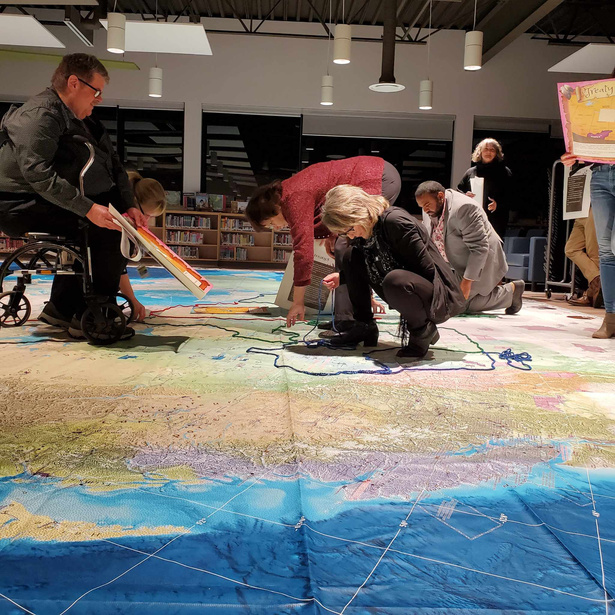
Lakehead Public Schools advances Education for Reconciliation by responding to the Truth and Reconciliation Commission Calls to Action. Initiatives include professional development for educators and trustees on Indigenous histories, cultures, and perspectives; embedding Indigenous content across Kindergarten to Grade 11; offering NBE3U and NBE3C courses in secondary schools; and developing an Indigenous Cultural Safety Strategy in collaboration with community stakeholders.
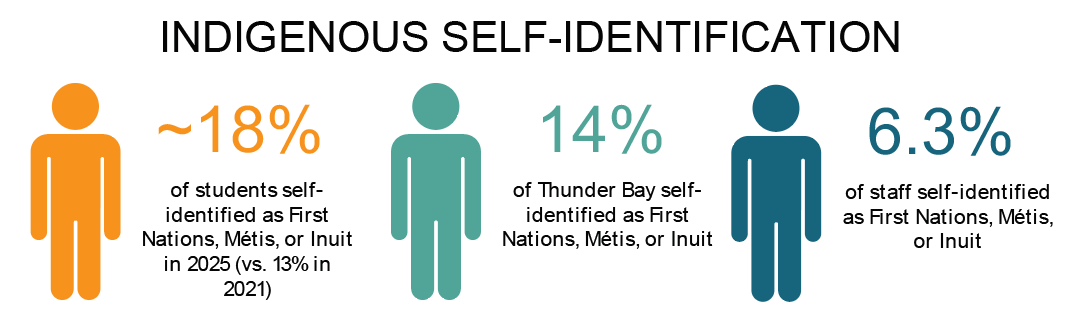
Support for Indigenous student success includes First Nations, Métis, and Inuit (FNMI) Student Support Workers in five elementary schools, Indigenous graduation coaches in all secondary schools, and the KZ Lodge alternative secondary program in partnership with the Thunder Bay Indigenous Friendship Centre. System-wide offerings include FNMI Studies, Native as a Second Language, and Anishinaabemowin revitalization initiatives focused on teacher capacity, mentor-learner models, and family engagement. Summer programs and skilled trades training support successful transitions to secondary school and post-secondary pathways.
Indigenous student leadership is prioritized through peer leadership opportunities and school-based student groups. LDSB will continue implementing cultural safety training, expand land-based learning, strengthen student leadership networks, and broaden KZ Lodge access to ensure equitable, holistic support for Indigenous students’ achievement, well-being, and engagement across the system.
Memorandum of Understanding
On March 17, 2025, the Matawa First Nation Education Authority (MFNEA) and Lakehead District School Board (LDSB) signed a Memorandum of Understanding (MOU) in Eabametoong First Nation, launching a collaborative effort to enhance educational opportunities for First Nation students. Witnessing the MOU signing were Eabametoong First Nation Education Authority Officials Nancy Waswa and Elizabeth Atlookan. From Eabametoong First Nation Chief and Council included Councillors John Louie Oskingeegish and Michael Slipperjack.
Included in the MOU are several principles such as a focus on culturally supportive education, a commitment to reconciliation, cultural integration and empowerment (which will include the development of curriculum modules to embed First Nation history, culture, perspectives, and language, while fostering parental empowerment and increasing First Nation staff and elder participation in LDSB schools.) The MOU identifies priority areas for collaboration with target areas that include student support services (safety, mental health, career planning), special education support, culturally integrated curriculum, professional development, communication, human resources, and parental participation to address the holistic needs of MFNEA students.
A MFNEA-LDSB Collaboration Steering Committee has been formed to oversee the implementation, of the MOU with meetings planned at least three times annually to review progress, address challenges, and plan next steps, with senior executives from both organizations involved. The date of the inaugural Steering Committee meeting is to be determined.

Anishinaabemowin Revitalization Project
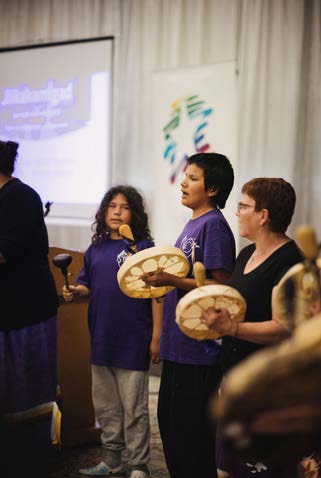
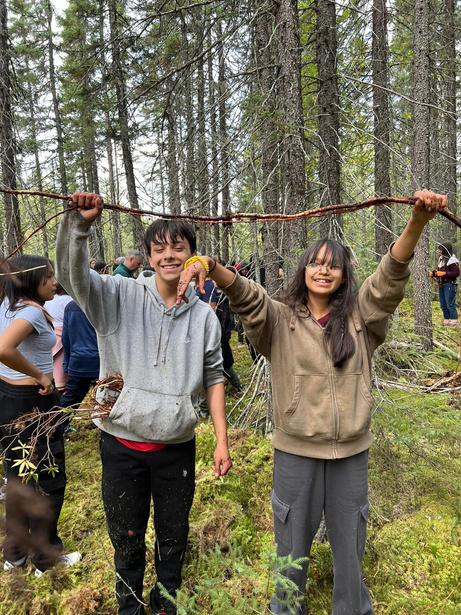
The preservation and revitalization of Indigenous Languages is central to the Truth and Reconciliation Calls to Action & United Nations Declaration on the Rights of Indigenous Peoples. During the second year of the Anishinaabemowin Revitalization Project, our work continues to be centered around building teacher capacity and fluency, strengthening NSL and secondary Ojibwe programs to increase student engagement, and family and community engagement. We continue to collect student achievement and engagement data to guide our next steps. Students enrolled in NSL and Ojibwe courses enjoyed opportunities to practice and reinforce their language learning through a number of land-based experiences, including visiting the sugar bush and making wild rice.
Trustees






Indigenous Student Trustee

Student Trustee
Senior Administration
Superintendent of Educatiaon